

MEMORIAL GARDEN

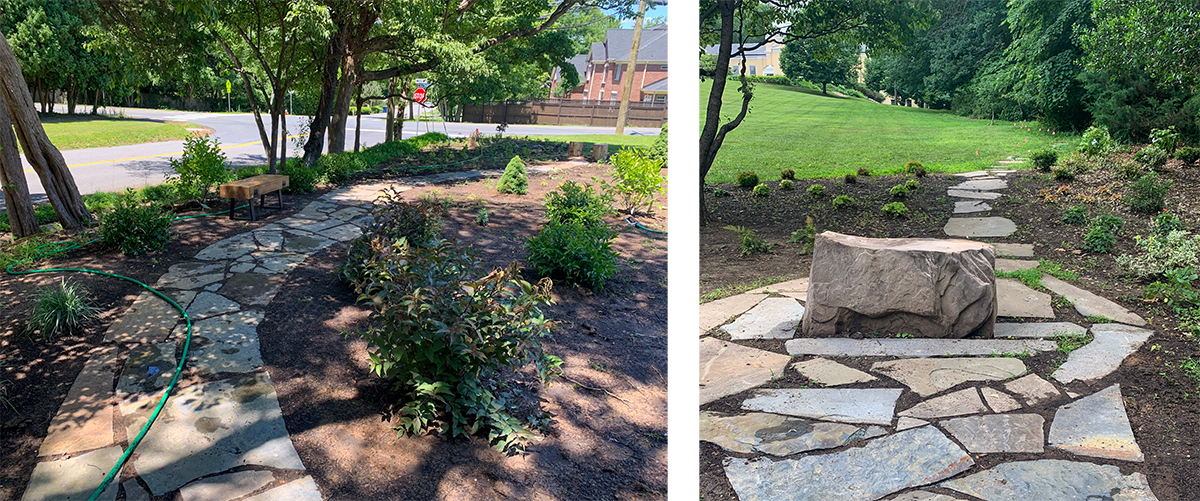
We warmly invite you to take a peaceful stroll through the newly expanded Memorial Garden and enjoy our beautiful new plantings.
Help Our Garden Grow!
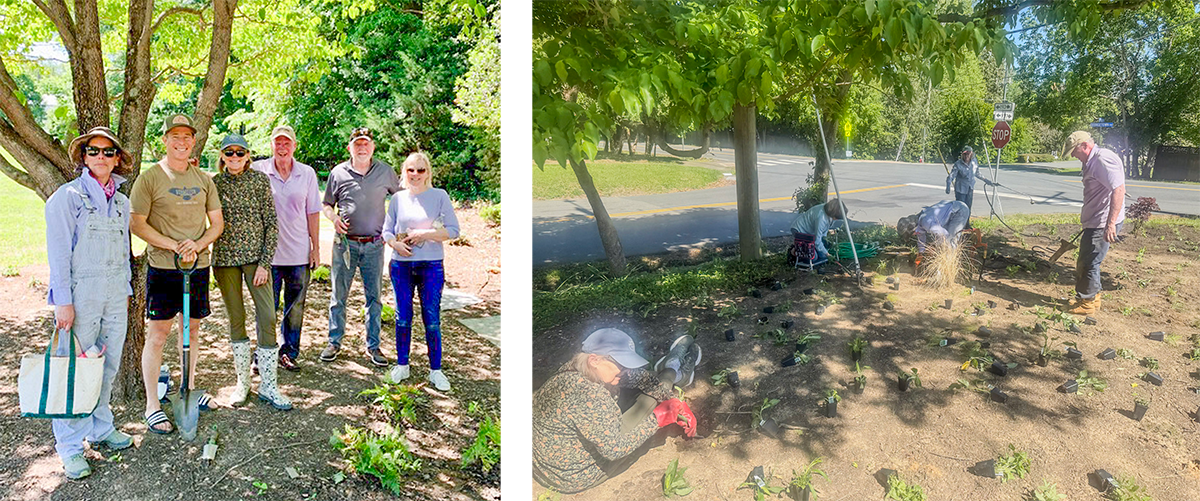
Your financial contributions directly fund new plants, mulch, and seasonal maintenance.
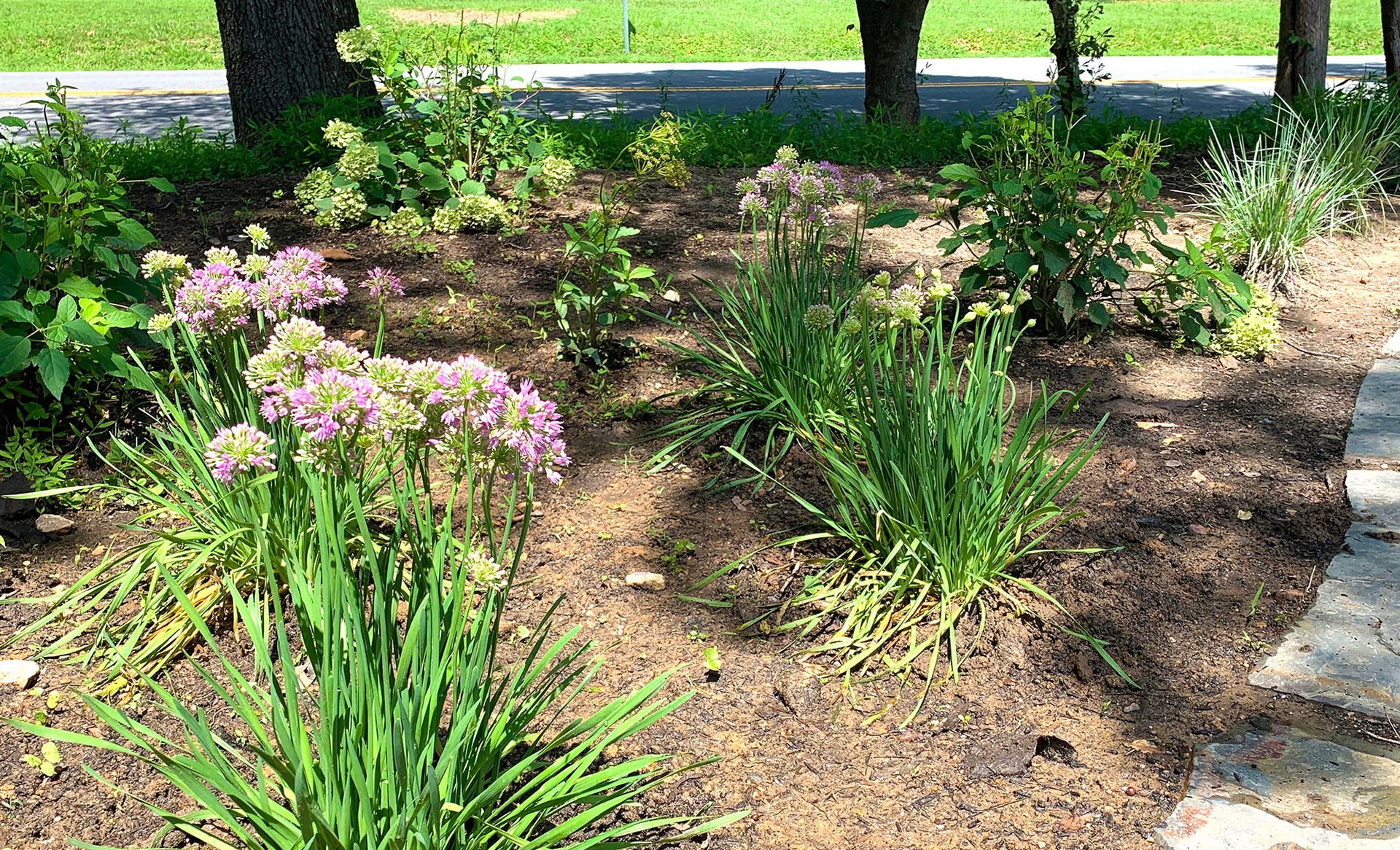
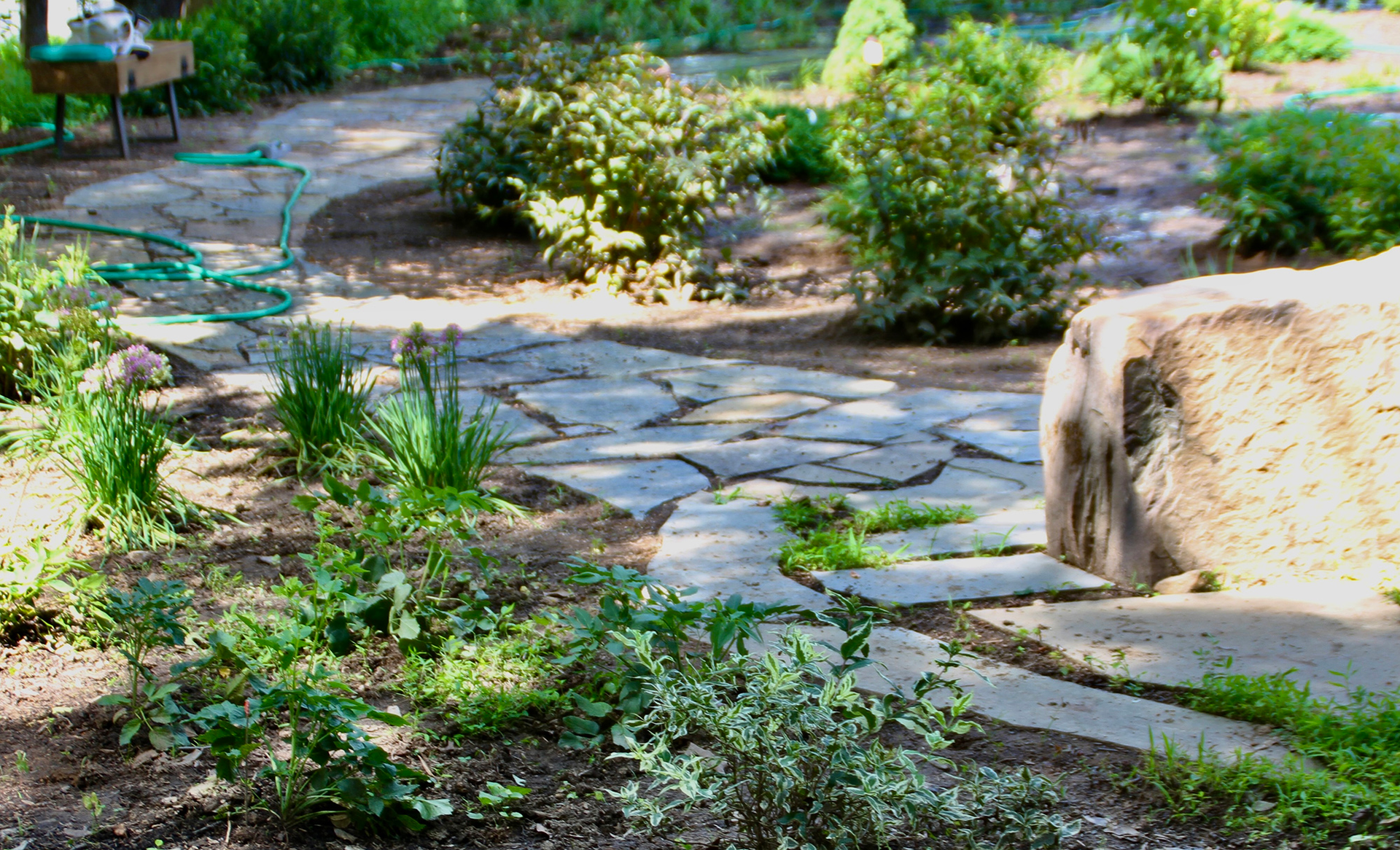
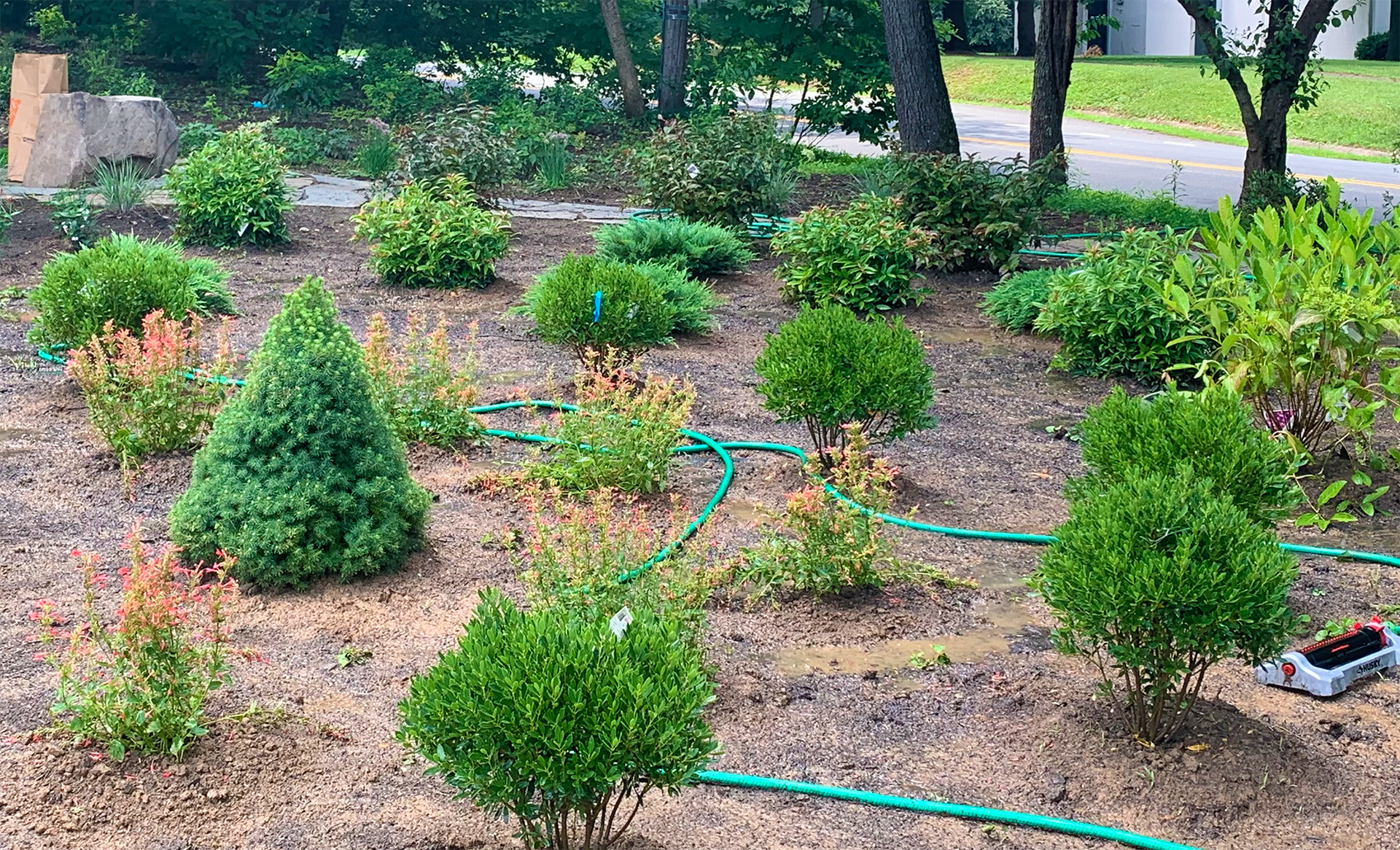
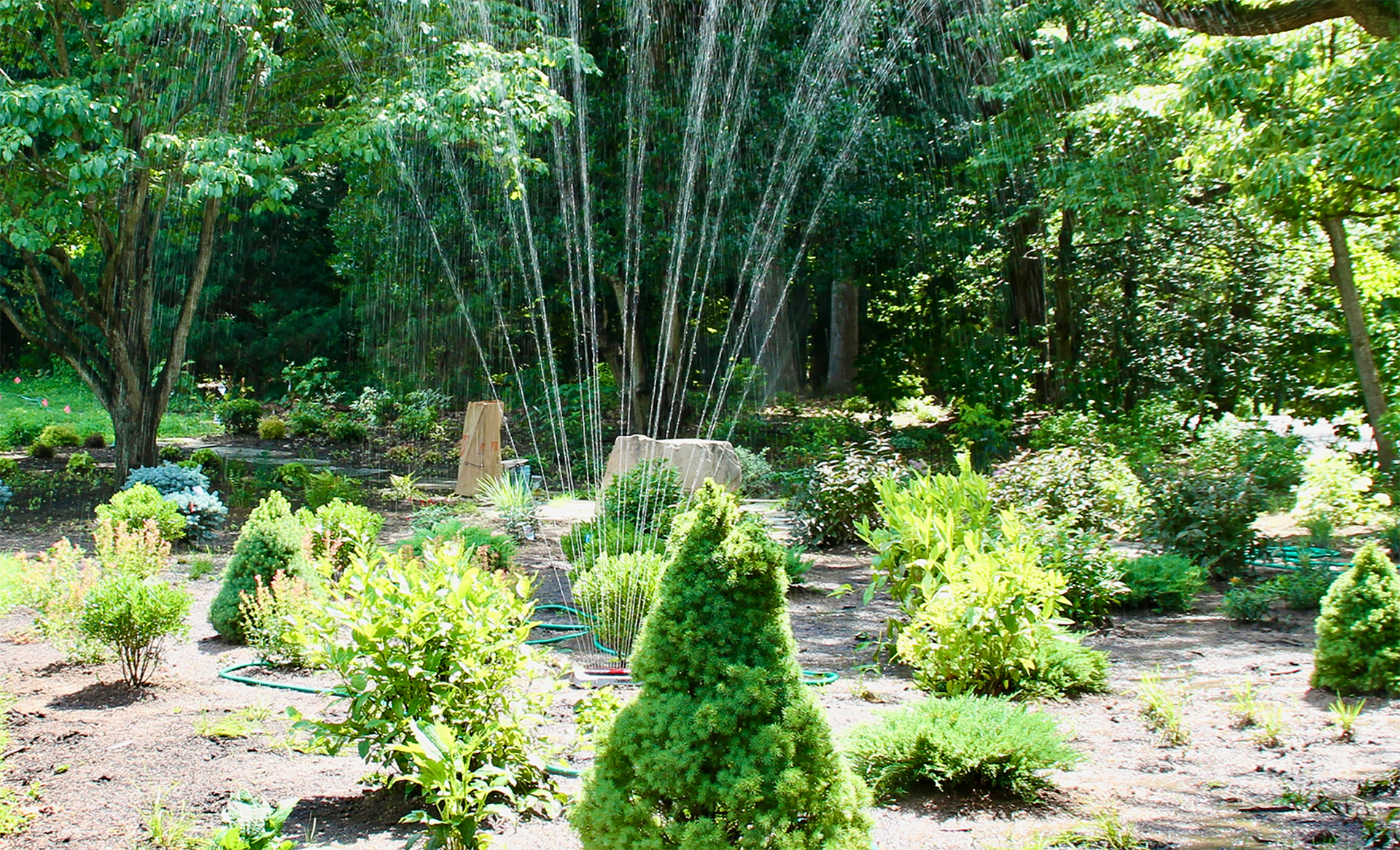
Native Plants in their New Homeland
"They Sleep – Then They Creep – Then They Leap"
This adage regarding perennials is applicable to the new additions to our Memorial Garden. The following plants are already demonstrating remarkable resilience and are making significant efforts to impress.
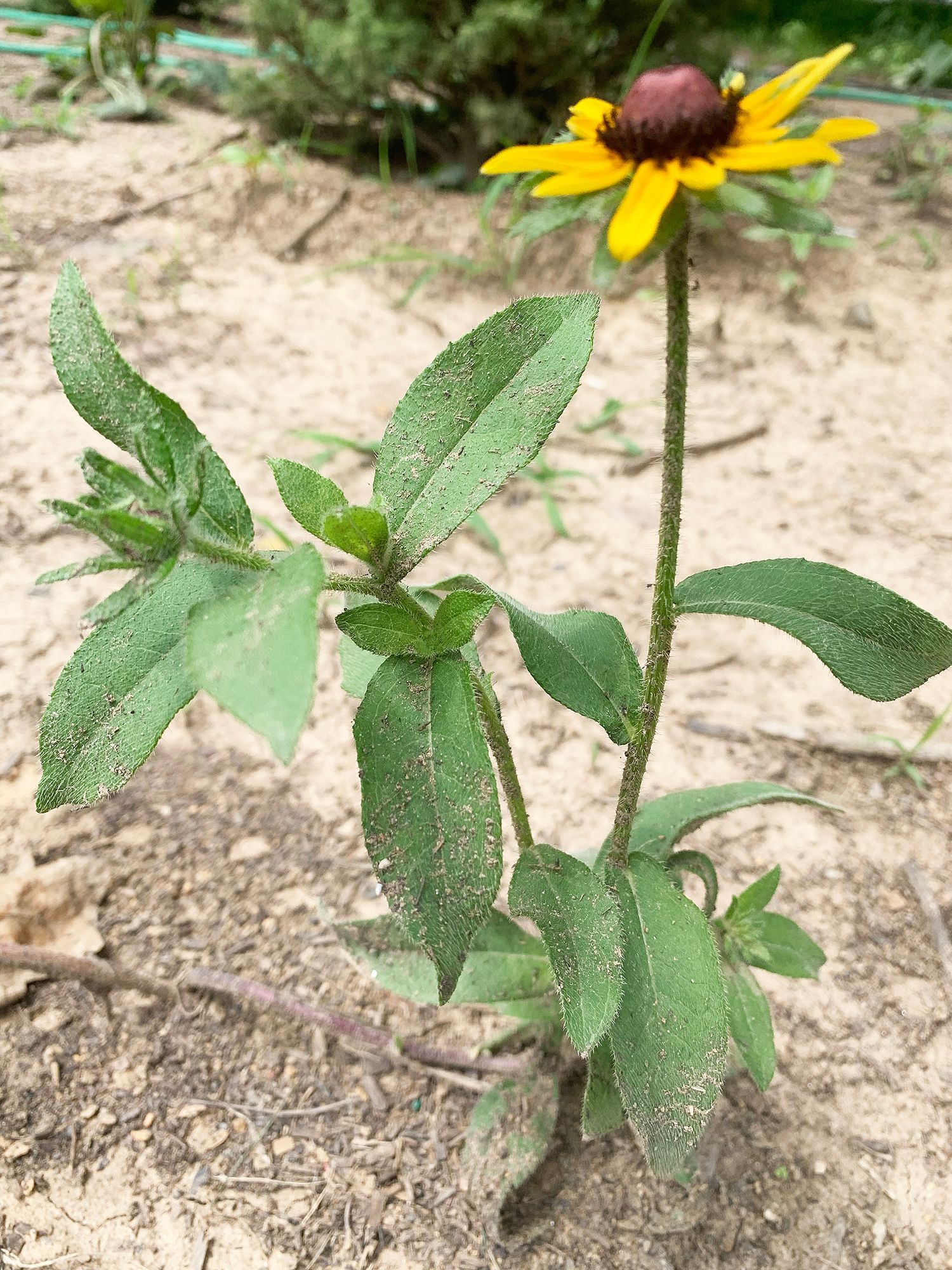
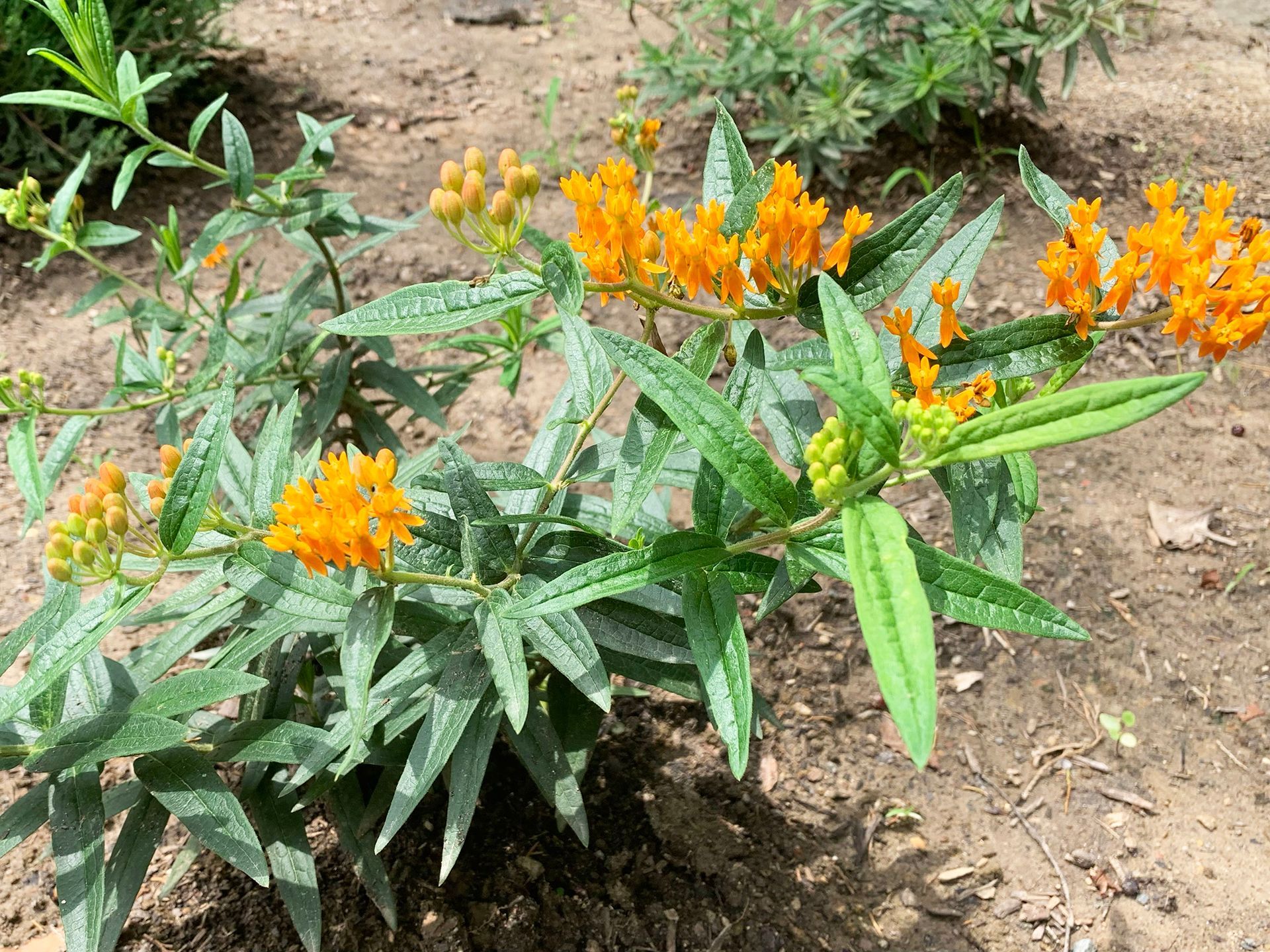
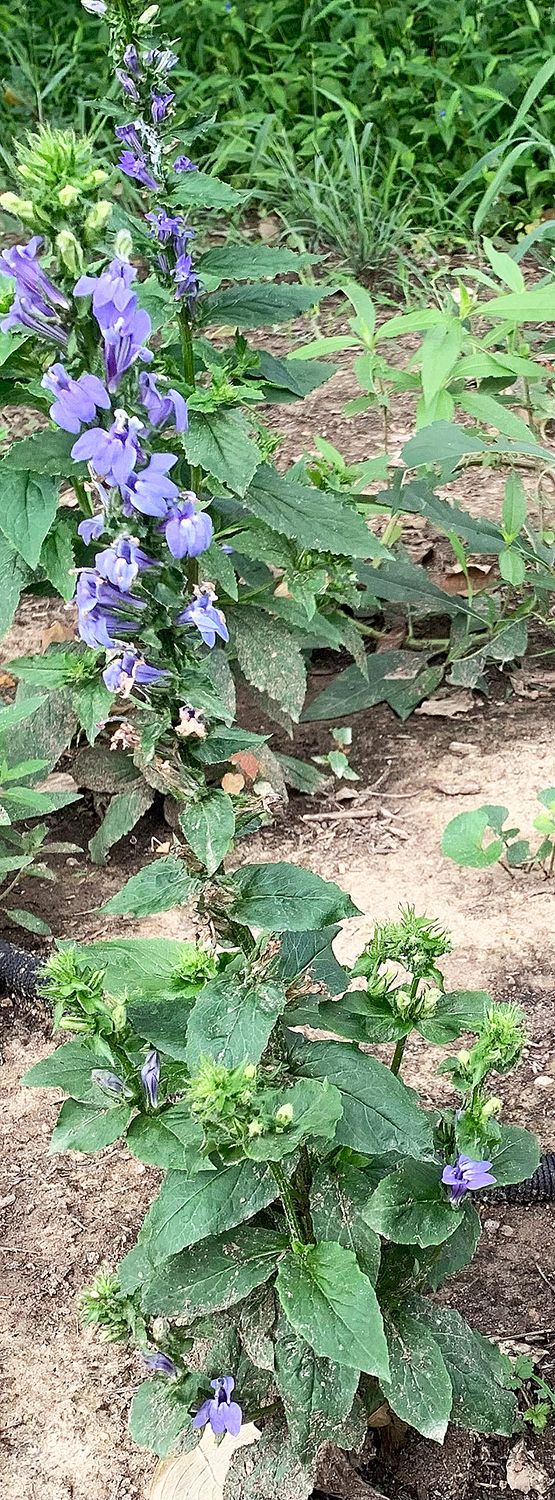
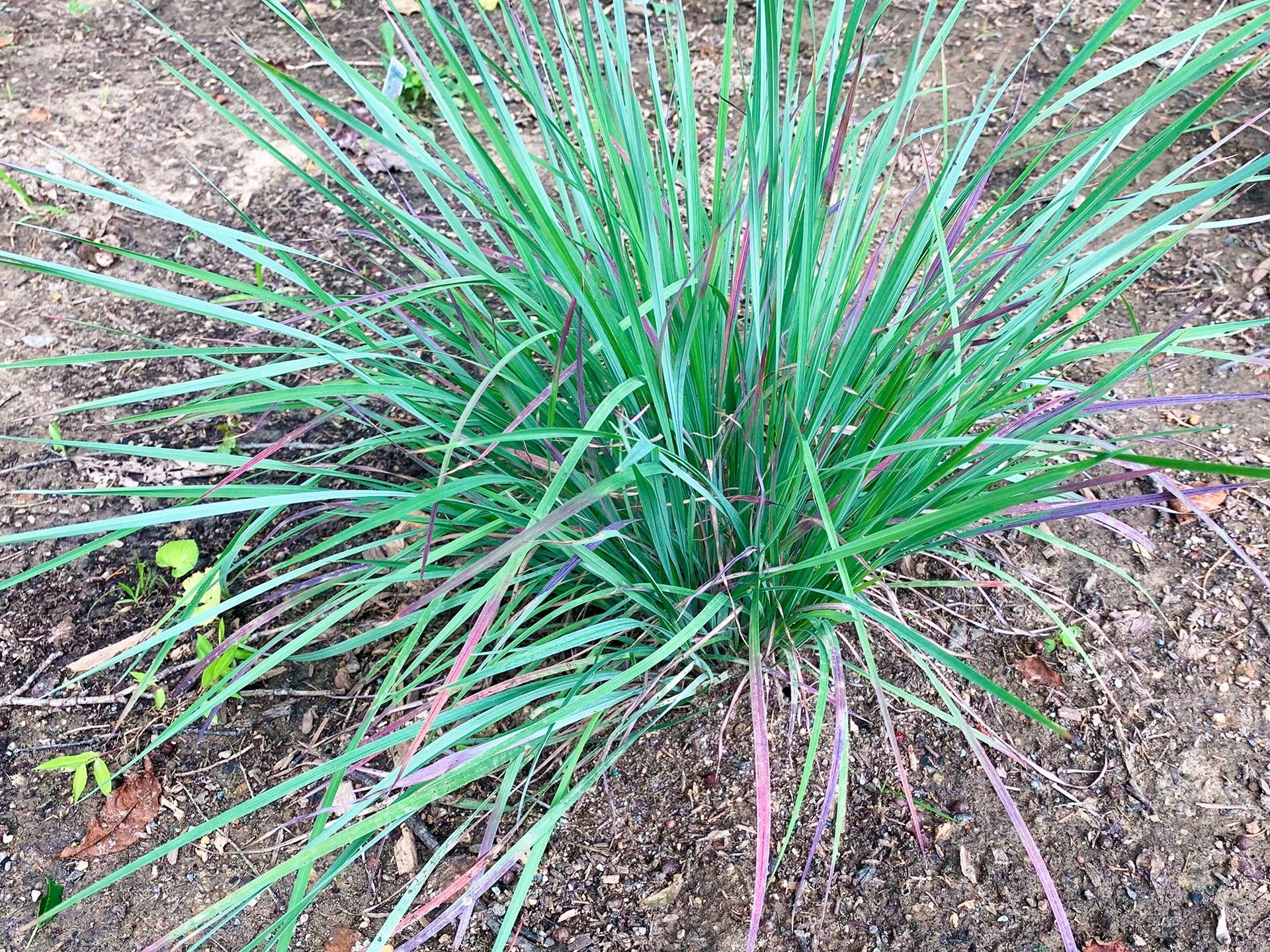
Native plants are invaluable assets to any garden. Visit the new garden and observe their growth. There are numerous other plants to learn about by name:
| Aster | Golden Alexanders |
| Blue False Indigo | Joe Pye Weed |
| Common Milkweed | Oxeye Sunflower |
| Culver's Root | Virginia Strawberry |
These beautiful blooms are perfectly complemented by four types of native grasses.
St. John's Goes Native
By Penny Morrill
GO NATIVE!
Why celebrate native plants? They are a fragrant and tasty invitation into our gardens for birds, butterflies, moths, non-stinging bees, and animals. Natives are at the center of the living landscape. Over thousands of years, they have formed complex and interdependent relationships with native creatures, providing them with food and shelter. Most of the food we eat depends on pollinators.
LOVE YOUR NATIVE PLANTS — LOVE YOUR DIRT!
Each region enjoys unique seasonal changes — flowers in the Spring, sunny summers, color in the fall, snow-covered landscapes. Natives in each region have adapted so well to these changes that they do not require fertilizer or pesticides, which can pollute our rivers and our soil. In healthy soil, native plants above the ground are partners to the microorganisms under the ground in trapping carbon and cleaning the air we breathe.
WATER IS VITAL!
The root system of natives reduces runoff during heavy rains, filters water, protects wetlands, and sequesters carbon. These are gifts we receive when we plant natives, and so do the fish in rivers and streams.
KEEPING IT NATIVE!
We can reduce the problem of invasive plants when we plant natives. Invasives have been introduced from around the world and can expand beyond our gardens and into the wild. Invasives smother trees and disrupt native plant communities, creating a “green desert” for insects and birds. We probably already have native plants in our gardens. To find out, check the lists of natives (and invasives) on the website, Virginia Department of Conservation and Resources. Read Doug Talamy’s important book on the subject, Nature’s Best Hope: A New Approach to Conservation that Starts in Your Yard.
CELEBRATE NATIVES!
Plant Native Plants in your garden! When we plant natives, we can delight in the colors of the seasons in the garden. We can create a healthy environment for birds and butterflies, and we can ensure biodiversity and sustain whole ecosystems — all in our own backyard!
